Get Concrete Blocks Installation
Concrete blocks installation services help property owners build or repair walls, barriers, and structures for security, privacy, or property enhancement.
If you're considering concrete block installation for your property, you're in the right place to explore your options. Whether you're planning to add retaining walls, boundary fencing, or other structural features, property owners in the area often turn to local contractors for reliable and professional service. Understanding the benefits of concrete blocks-such as durability, low maintenance, and versatility-can help inform your project planning and decision-making process as you compare local service providers.
Continuing to explore your options allows you to find the best fit for your specific needs and project goals. Local contractors can provide a range of services tailored to property owners looking to enhance security, define spaces, or improve the overall appearance of their property. Keep reading to discover more about how experienced professionals in the area can assist with your concrete block installation needs.
- Residential patios - homeowners seeking durable and attractive outdoor surfaces for relaxation and entertainment.
- Commercial landscaping projects - businesses requiring sturdy blocks for parking lots, walkways, or building foundations.
- Retaining walls - property owners looking to manage soil erosion or create level outdoor spaces.
- Garden borders and planters - gardeners and landscapers needing defined edges and decorative features.
- Pathways and walkways - property managers and homeowners wanting safe, long-lasting routes through outdoor spaces.
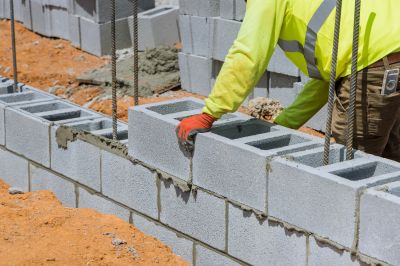
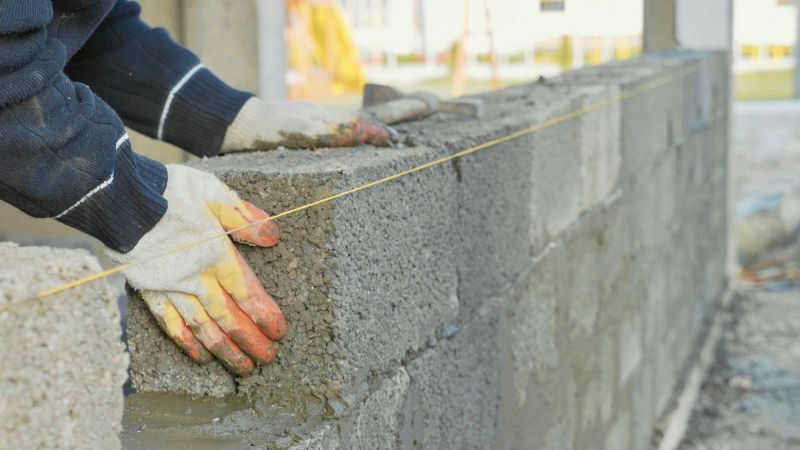
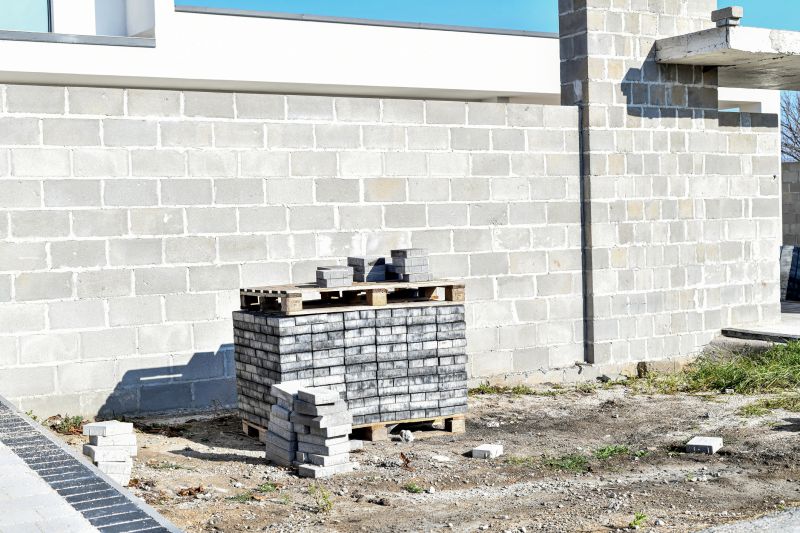
Concrete blocks installation services involve placing durable, precast concrete units to create various structures around a property. These services typically include preparing the site, laying a stable foundation or base, and precisely positioning the blocks to ensure stability and alignment. Skilled contractors can handle different types of installations, whether it’s building retaining walls, garden borders, privacy fences, or decorative features. Proper installation is essential to ensure the longevity and structural integrity of the concrete block features, making it a reliable choice for both functional and aesthetic purposes.
This service helps address common property challenges such as soil erosion, uneven terrain, and the need for defined boundaries. Retaining walls built with concrete blocks can prevent soil from shifting or washing away, especially on sloped properties. Additionally, concrete blocks are often used to create sturdy fencing or enclosures that provide privacy and security. When property owners want a durable, low-maintenance solution that withstands weather and time, concrete block installation offers a practical option. It also helps improve the overall appearance of outdoor spaces by adding clean lines and structured design elements.
Concrete blocks are frequently chosen for residential, commercial, and public properties alike. Homeowners might install them to create raised garden beds, decorative walls, or outdoor seating areas. Commercial property owners often use concrete blocks for boundary walls, security barriers, or loading docks. Public spaces such as parks and community centers may incorporate concrete block features for durability and ease of maintenance. Because these structures are versatile and robust, they are suitable for a wide range of property types that require long-lasting, functional, and visually appealing solutions.
Knowing when to consider concrete blocks installation can make a significant difference in property management and enhancement. If there is a need to reinforce slopes, define outdoor spaces, or add a sturdy barrier, local contractors can provide the expertise needed for proper installation. This service is also valuable when replacing aging or damaged walls, or when planning new landscape features that require strong, weather-resistant materials. Contacting experienced service providers can help property owners find the right solutions to meet their specific needs, ensuring the results are both practical and visually appealing.
The overview below groups typical Concrete Blocks Installation projects into broad ranges so you can see how smaller, mid-sized, and larger jobs often compare in your area.
In many markets, a large share of routine jobs stays in the lower and middle ranges, while only a smaller percentage of projects moves into the highest bands when the work is more complex or site conditions are harder than average.
Smaller Repairs - Typical costs for minor concrete block repairs range from $250 to $600. Many routine patching or replacement jobs fall within this range, depending on the extent of the damage and local rates.
Standard Installation - Installing new concrete blocks for a typical project usually costs between $1,000 and $3,000. Most projects of this size stay within this range, though larger or more complex installations can go higher.
Full Wall Construction - Building a full concrete block wall or structure can range from $4,000 to $8,000 or more. Larger, more detailed projects tend to push into higher tiers, but many standard installations are completed within the mid-range.
Full Replacement - Replacing an existing concrete block structure often costs $5,000 to $15,000 depending on size and complexity. While most projects fall into the middle of this range, extensive or customized replacements can reach higher costs.
Actual totals will depend on details like access to the work area, the scope of the project, and the materials selected, so use these as general starting points rather than exact figures.
Retaining Wall Construction - local contractors skilled in building durable retaining walls often use similar techniques, tools, and planning as those needed for concrete block installation.
Paving and Walkway Installation - installing paved surfaces and walkways involves comparable site preparation, leveling, and concrete work skills as concrete block projects.
Foundation Pouring - laying foundations requires precise planning, form setting, and concrete handling, which are also essential in concrete block installation.
Landscape Edging Projects - creating landscape borders with concrete or stone edging shares planning and material handling skills with concrete block work.
Concrete Floor Pouring - pouring and finishing concrete floors involves similar surface preparation and finishing techniques used in concrete block installation.
Outdoor Kitchen and Fireplace Construction - building outdoor structures with concrete elements requires expertise in concrete placement, planning, and finishing similar to concrete block projects.
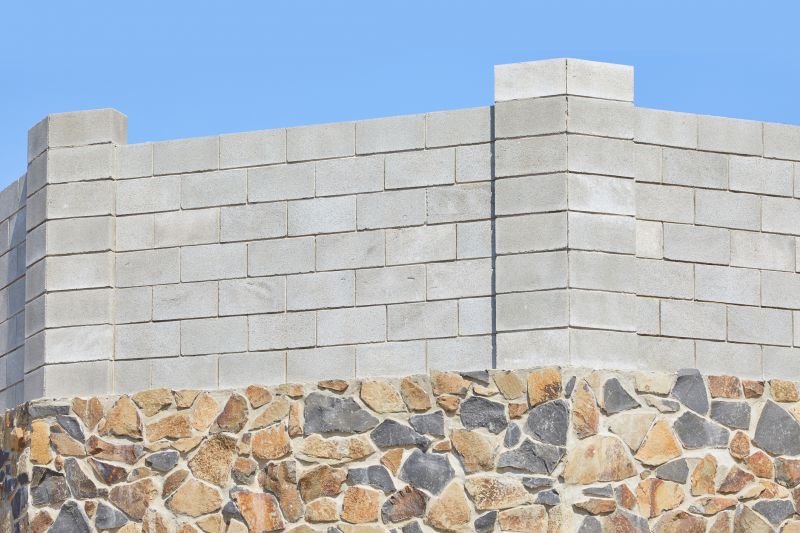
When evaluating contractors for concrete blocks installation, it’s important to consider their experience with similar projects. Homeowners should look for local service providers who have a proven track record in handling projects comparable in scope and complexity. An experienced contractor will be familiar with the specific requirements of concrete block work, including site preparation, mortar mixing, and proper placement techniques. This familiarity can help ensure the work is completed efficiently and to a high standard, reducing the likelihood of issues down the line.
Clear, written expectations are essential when comparing local contractors. Homeowners should seek detailed proposals that outline the scope of work, materials to be used, and the estimated process for completing the project. Having this information in writing helps prevent misunderstandings and provides a basis for comparing different service providers objectively. Well-defined expectations also make it easier to hold contractors accountable and ensure that everyone is aligned on project goals from the outset.
Reputable references and good communication are key indicators of a reliable contractor. Homeowners can ask for references from previous clients who had similar work done and follow up to learn about their experiences. Additionally, a contractor’s responsiveness and clarity in communication can reveal their professionalism and commitment to customer service. Choosing local service providers who demonstrate transparency, responsiveness, and positive references can help create a smoother project experience and increase confidence in the quality of work delivered.
Property owners use Concrete Blocks Installation services for practical projects around their homes and businesses. This guide focuses on everyday jobs and straightforward project options.
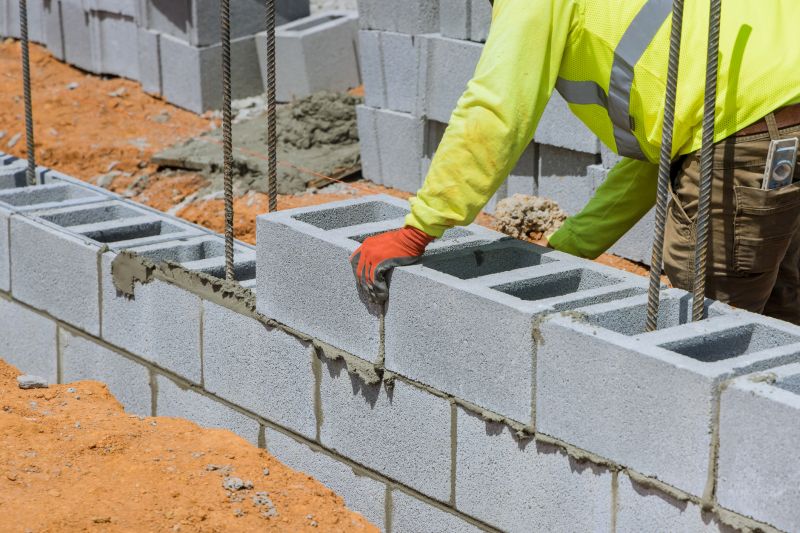
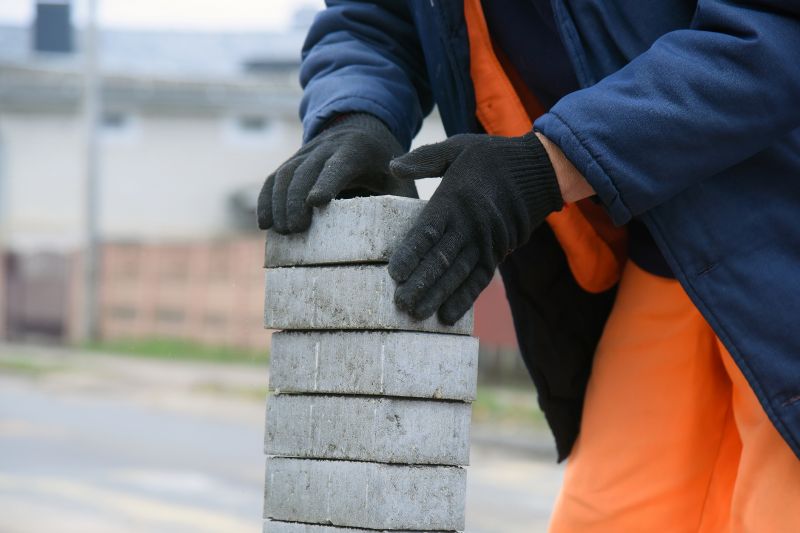
Concrete blocks installation is a common solution for property owners looking to create durable retaining walls, boundary fences, or decorative features around their homes and gardens. Whether someone is reinforcing a slope to prevent erosion, building a secure perimeter, or adding a stylish element to outdoor spaces, local contractors can provide the expertise needed to complete these projects efficiently and reliably. These services are often sought after for both new construction and renovation projects, helping property owners achieve functional and attractive results.
Many property owners turn to local service providers when they need to replace old, damaged, or unstable concrete block structures. Additionally, those planning to expand outdoor living areas or improve privacy may look for experienced installers who can handle different types of blocks and design styles. Connecting with local contractors ensures that projects are managed with local knowledge and experience, making it easier to find solutions tailored to the specific needs of the property and the area.
What types of concrete blocks are suitable for installation? Local contractors can recommend various types of concrete blocks, such as standard, decorative, or structural blocks, based on the project's requirements.
How should I prepare the site for concrete blocks installation? Service providers typically advise clearing and leveling the area, ensuring proper drainage, and verifying the foundation before installing concrete blocks.
Are there specific tools needed for installing concrete blocks? Professional installers usually utilize tools like mortar mixers, trowels, levels, and jointing tools to ensure proper placement and stability.
What are common methods used to install concrete blocks? Local pros often use mortar or adhesive methods, depending on the type of blocks and the purpose of the installation.
Can concrete blocks be installed on any surface? Installation is generally suitable on solid, stable surfaces such as prepared soil, gravel beds, or existing concrete, as advised by local service providers.
Garden and Landscape Borders - Property owners can use concrete blocks to create durable and attractive borders around gardens or lawns, helping to define outdoor spaces clearly.
Driveway and Pathway Edging - Local contractors can install concrete blocks to form sturdy edges for driveways or walkways, enhancing safety and curb appeal.
Retaining Walls for Sloped Areas - Concrete blocks can be used to build retaining walls that prevent soil erosion and create level areas on uneven terrain.
Privacy and Security Barriers - Property owners might install concrete blocks to construct privacy screens or boundary walls for added security and separation.
If you are thinking about Concrete Blocks Installation for a property, this guide is meant to help you understand the work, the typical project types, and how different options might fit your plans.
When you are ready, you can use the quote form on this page to share a few details about your project. From there, local pros can review the basics and respond with options that match what you have in mind.